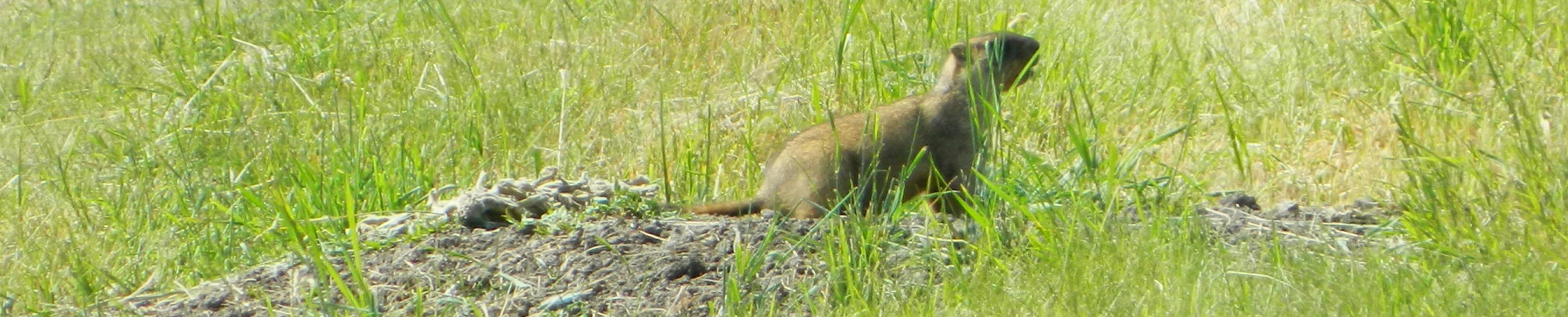
Predictive modeling of plague die-offs in prairie dog colonies

Several published studies have already shown that temperature, precipitation and topography can affect the probability of a die-off event. However, a broader synthesis of datasets from across the BTPD range may enable more accurate prediction of when and where die-offs will occur. The APE lab is leading a large collaborative project to create predictive models of BTPD colony die-offs caused by the plague bacterium. We have acquired colony history data from across the BTPD range and are working on using machine learning techniques to create a model of plague outbreaks that can help managers determine how best to target their anti-plague management activities (such as “dusting” for fleas and vaccine administration). This model will also help us better understand the selection pressures that could lead to genetic resistance to plague. ...

October 23, 2018 · Elizabeth Hunter

Understanding the potential for widespread plague resistance in prairie dogs

Prairie dogs are keystone species of North America’s central grasslands, and have experienced dramatic population reductions over the past century due to sylvatic plague, a highly virulent disease introduced to North America ca. 1900. The APE lab is involved in building a novel host-resistance modeling framework to investigate the genetic, demographic and environmental conditions that promote or impede resistance to plague and other similar virulent pathogens in complex and dynamic ecosystems. The prairie dog-plague system provides an excellent model to understand the conditions under which evolutionary rescue occurs in complex and dynamic ecological systems, and will help illuminate a novel and potential large-scale conservation approach to address 1) the biggest threat facing the prairie dog ecosystem that spans from Canada to Mexico - plague and 2) species around the world threatened with novel diseases and climate change. ...

January 17, 2018 · Kevin Shoemaker